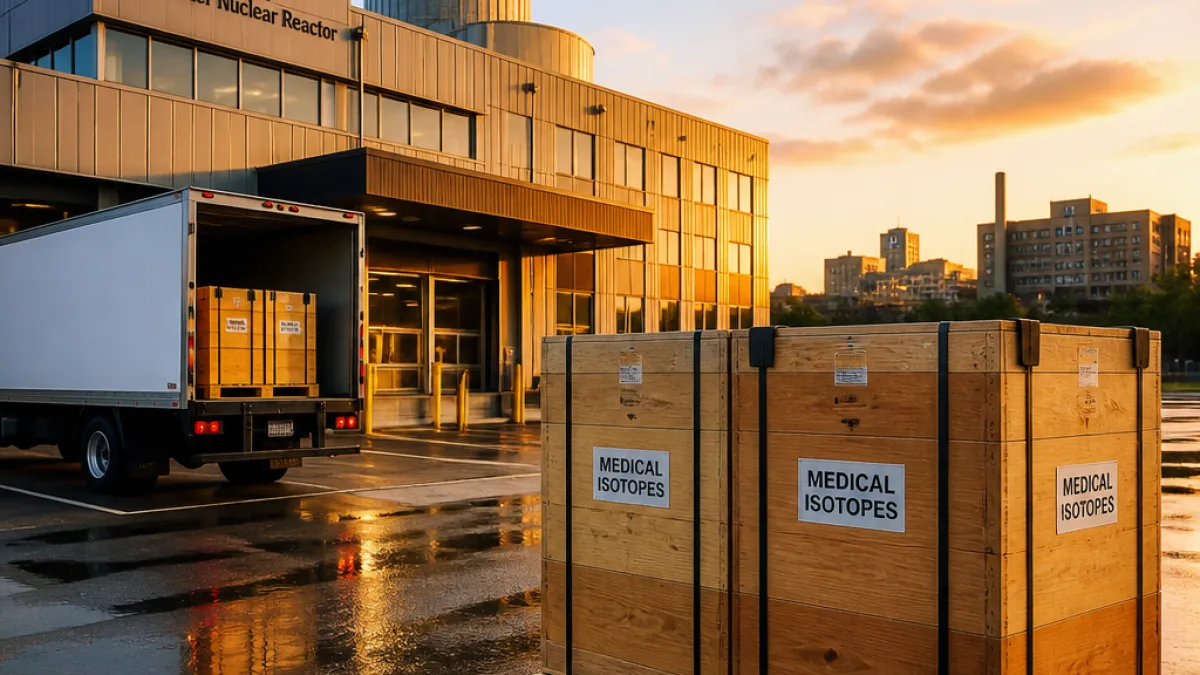
The Ontario government is providing an additional $4.6 million to the McMaster Nuclear Reactor (MNR) to expand production of medical radioisotopes used in the diagnosis and treatment of cancer, provincial and university officials announced Wednesday.
Funding builds on earlier investments
The new allocation complements a previous provincial contribution of $18 million that enabled the reactor to operate around the clock, seven days a week. Together, the investments bring Ontario’s total commitment to the facility to $26.9 million.
McMaster University says the combined funding will increase the reactor’s research capacity by roughly 300 per cent and enable production sufficient for up to 84,000 cancer treatments a year. The reactor already supplies a substantial share of the global supply of certain isotopes, including about 60 per cent of the world’s iodine‑125, which is used to treat various tumours.
Local and patient impact
Officials framed the announcement as a step to secure local access to critical, homegrown therapies while supporting clinical research and training. The university described the MNR as central to translating nuclear research into practical medical applications and providing hands‑on experience for students and specialists in nuclear medicine.
“As Canada’s Nuclear University, McMaster is committed to translating nuclear research into real‑world impact,” said McMaster President Susan Tighe.
Provincial ministers involved in the announcement said increasing isotope capacity addresses both current care needs and future demand. Health‑system planners have long warned that disruptions to global isotope supply chains can delay diagnosis or treatment, and boosting domestic production is viewed as a way to reduce that risk.
What the expansion means technically and operationally
- Round‑the‑clock operation: Earlier funding supported 24/7 reactor operations, enabling continuous isotope production and customised runs for research.
- Expanded research capacity: A threefold increase in research throughput is expected to speed development of novel radiopharmaceuticals and support large‑scale clinical trials.
- Training and workforce development: The reactor serves as a site for practical training of students and technicians in nuclear science and medicine.
University statements note the MNR currently contributes cancer treatments for more than 70,000 patients annually. The expansion aims to raise that figure while helping researchers develop isotopes tailored to emerging therapies.
Numbers at a glance
| Item | Figure |
|---|---|
| New provincial investment | $4.6 million |
| Previous provincial investment | $18 million |
| Total provincial support to date | $26.9 million |
| Increase in research capacity | 300% |
| Potential annual treatments supported | Up to 84,000 |
Broader context and provincial strategy
Provincial ministers said the funding is part of a broader plan to grow Ontario’s role in medical isotope production. The Ministry of Colleges, Universities, Research Excellence and Security characterised the move as supporting both patient care and Ontario’s international standing in nuclear medicine.
Experts outside the announcement have previously pointed to the fragility of global isotope supply chains. Production is concentrated in a small number of reactors worldwide, and outages can produce regional shortages that affect diagnostic imaging and targeted radiotherapy. Increasing domestic capacity in Hamilton aims to mitigate such risks for Ontario patients and for export markets that rely on McMaster’s output.
What this means for patients and clinicians
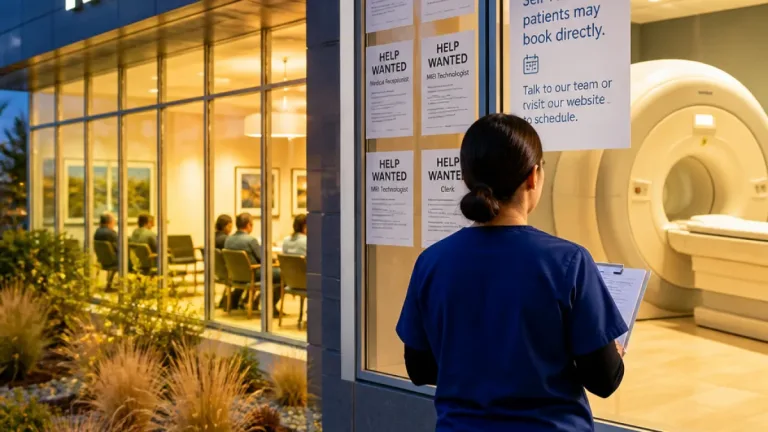
For clinicians, more stable isotope supplies can reduce scheduling delays for diagnostics such as PET scans and for therapies that use brachytherapy seeds or targeted radiopharmaceuticals. For patients, the promise is fewer treatment interruptions, faster access to diagnostic imaging and access to new isotope‑based therapies developed through university research.
Officials emphasised that while the investment expands capacity, regulatory approvals, clinical protocols and distribution logistics remain separate steps before new isotopes reach clinics. The announcement signals accelerated capability, but the translation to bedside treatments will depend on ongoing coordination among researchers, hospitals and regulators.
The McMaster Nuclear Reactor, located in Hamilton, will use the provincial funds to increase production runs, support research initiatives and continue training the next generation of nuclear medicine specialists.
As Ontario positions itself to double isotope production by 2030, proponents say this kind of local infrastructure investment is essential to ensure stable access to life‑saving diagnostics and treatments.