
Norway’s football federation has publicly called for FIFA president Gianni Infantino to resign immediately, escalating a European backlash over a controversial proposal to sell stakes in World Cup revenues through a commercial vehicle.
A widening rift with European governing bodies
The demand from Norway follows a string of rebukes from European football authorities after FIFA abandoned the plan and issued an apology. UEFA has maintained its threat to boycott the World Cup and other FIFA competitions and said it has lost confidence in Infantino. The English Football Association has also withdrawn its support for his re-election next March, while Mexico’s federation has continued to back him.
FIFA insisted earlier this week that Infantino retained the backing of those who attended a summit in Rabat, Morocco, where the president met top staff. That claim, however, has not stemmed criticism from several European federations, with Norway signalling it will take further action.
“We have reached a situation where extraordinary measures are needed to create lasting change,” Klaveness said.
New complaints and issues on the table
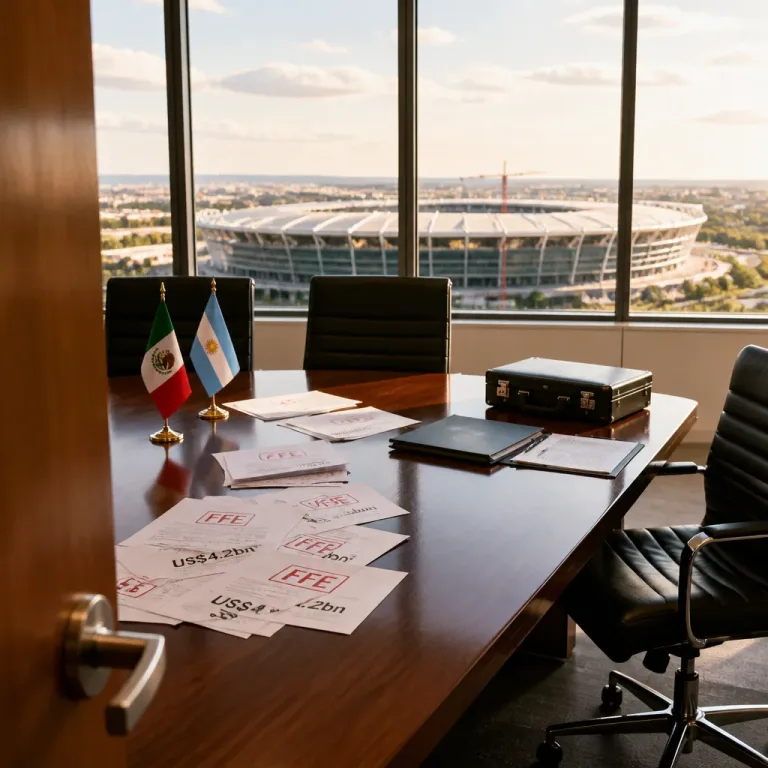
Norwegian broadcaster NRK reported that the national federation plans to file a fresh complaint with FIFA’s ethics committee. The complaint is expected to reference the commercial vehicle known as the FIFA Forward Enterprise (FFE), the unilateral award of a peace prize to former U.S. president Donald Trump, and the suspension of Folarin Balogun’s one‑match ban at the World Cup.
- FIFA Forward Enterprise (FFE) — the failed plan to commercialise World Cup profits that triggered the dispute.
- UEFA — has reiterated a threat to boycott FIFA events and said it lacks confidence in the president.
- National federations — Norway has called for resignation; England has withdrawn re‑election support; Mexico remains supportive.
The developments underscore a growing governance crisis at the world body that oversees international football. Infantino’s proposal to create a commercial subsidiary to monetise tournament profits proved politically toxic, prompting FIFA to abandon the idea and apologise — yet the reversal has not repaired relations with key European stakeholders.
Implications for upcoming leadership and competitions
The dispute arrives with the next FIFA presidential election due in March. With major European associations publicly distancing themselves and lodging formal challenges through FIFA’s internal processes, the contest for leadership could be reshaped by allegations over transparency and decision‑making.
The row also raises immediate questions about co‑operation between FIFA and continental confederations over future tournaments. UEFA’s continued position — that it might boycott FIFA competitions — presents a tangible operational risk for international calendars and qualification arrangements if the impasse deepens.
| Body | Stance |
|---|---|
| Norwegian federation | Calling for Infantino to resign; filing ethics complaint |
| UEFA | Threat to boycott FIFA events; says it has lost confidence |
| English FA | Withdrawn support for Infantino’s re‑election |
| Mexico federation | Supports Infantino |
FIFA has not signalled any change to its internal assessment beyond saying attendees at the Rabat meeting expressed full support for the president. But with multiple federations preparing formal complaints and high‑profile bodies publicly distancing themselves, the institution faces sustained scrutiny that could influence governance reforms or leadership decisions ahead of next year’s vote.
The dispute highlights enduring tensions over how the game is governed and financed globally. Whether complaints to FIFA’s ethics committee and persistent public dissent from Europe will trigger substantive change or merely deepen divisions remains to be seen.
This developing story follows reporting by the Associated Press.