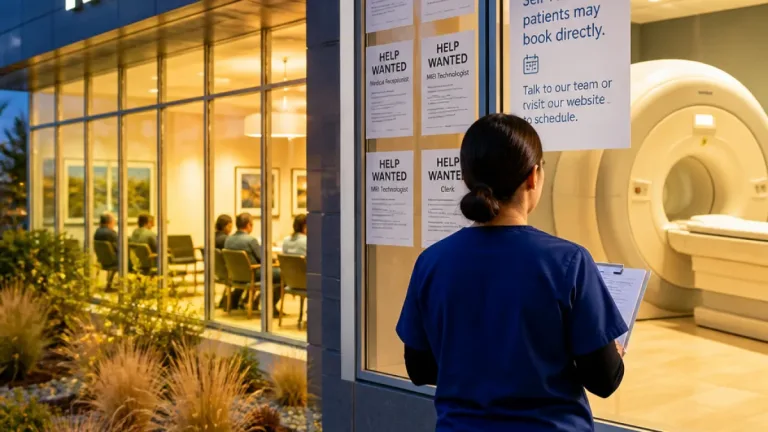
A Kingston emergency physician is raising concerns about a shrinking emergency room workforce after taking part in a national study that tracked the well‑being of emergency doctors over five years.
Longitudinal study tracks 615 physicians through pandemic and beyond
Dr. Kerstin de Wit, who practises in the emergency department at Kingston Health Sciences Centre and is a professor at Queen's University, was one of 13 Canadian emergency physicians who collaborated on the longitudinal study. The research began in April 2020 with 615 physicians participating and included three follow‑ups in November 2020, September 2022 and January 2025.
The study found high levels of burnout among emergency physicians and documented substantial changes in clinical practice among those who remained working in emergency medicine.
- 48 per cent of remaining physicians reduced their clinical hours in emergency medicine;
- 20 per cent took time off from working in emergency departments;
- Some participants work, or previously worked, at Kingston General or Hotel Dieu hospitals.
Local implications for staffing and patient care
Those findings worry Dr. de Wit because reductions in hours and time away from the emergency department can magnify staffing shortages that already affect patient wait times and the ability to respond to surges in demand. The study's authors conclude that the current state of the Canadian health‑care system has contributed to the elevated rate of burnout among emergency physicians.
“This is something that no hospital in Canada has ever experienced before, even during the COVID‑19 pandemic.”
De Wit and her co‑authors point to systemic pressures — including growing demand for care and funding that has not kept pace with those demands — as drivers of the workforce strain. She said she hopes the study will prompt action from provincial and federal governments to address the problem.
| Measure | Finding |
|---|---|
| Initial participants (April 2020) | 615 physicians |
| Reduced ER clinical hours | 48% |
| Took time off from ER work | 20% |
Calls for policy response
The study, published on the Canadian Medical Association Journal website, frames the workforce changes as a national concern with local consequences. In Kingston, where physicians affiliated with Kingston Health Sciences Centre and Queen's University were among participants, the results underline pressures on emergency departments that serve the city and surrounding region.
De Wit suggested governments have struggled to supply the level of funding needed to match increasing health‑care demand. She expressed hope the research will attract attention from both provincial and federal policymakers to consider measures that might stabilise staffing and reduce burnout.
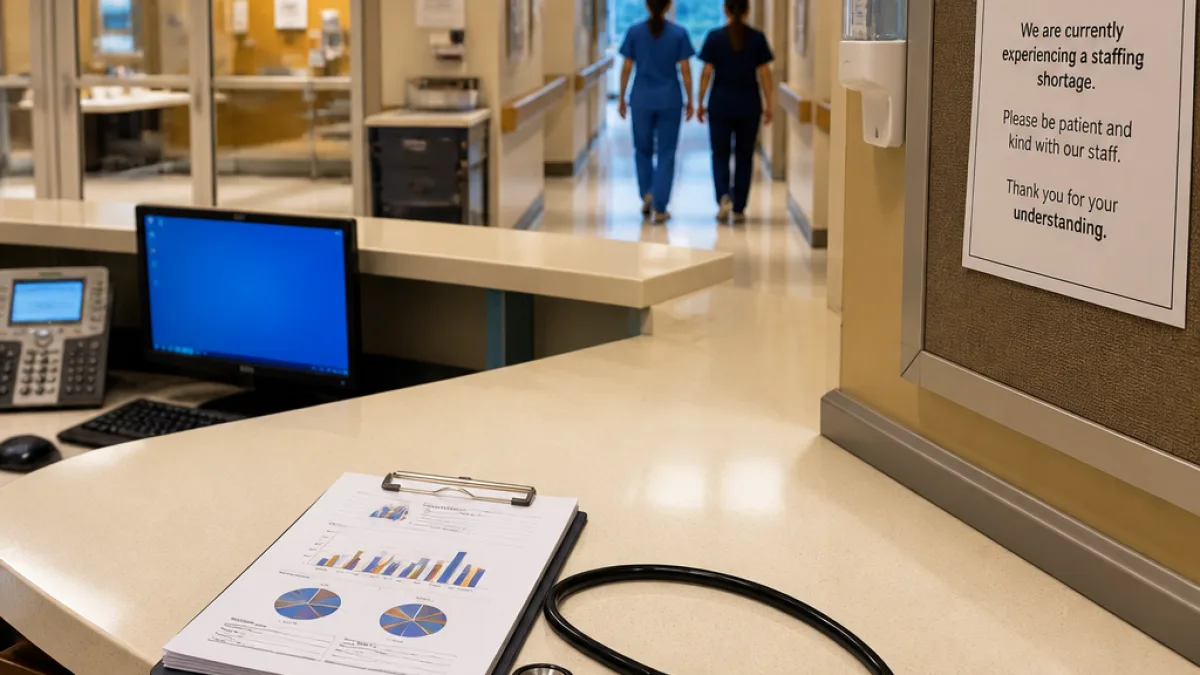
For Kingston residents, the study highlights a risk to emergency‑care capacity. Reduced clinical hours and temporary leaves among practising emergency physicians can translate into fewer available shifts, longer waits in emergency departments and increased reliance on overtime or locum coverage to maintain services.
As the health system continues to grapple with post‑pandemic pressures, local health administrators and clinicians face competing priorities: ensuring safe patient care, supporting clinician well‑being and balancing constrained budgets. The study provides systematic, longitudinal evidence documenting clinician experiences through waves of the pandemic and into 2025, reinforcing longstanding calls from health professionals for targeted interventions to address burnout.
Kingston Health Sciences Centre and provincial health officials were not quoted in the study report, but the findings add to the ongoing debates about workforce planning, recruitment and retention strategies across Ontario hospitals.
The study and its data are available through the Canadian Medical Association Journal for clinicians, administrators and policy makers seeking more detailed analysis of trends and suggested responses.