Organised cross-border telecom scam operations — locally known as zhapian syndicates — have migrated from visible border compounds into the forested foothills of Mount Mulayit in Karen State, Myanmar, according to local reporting. The change marks a tactical shift by criminal networks that once operated large, casino-style compounds near the Thai border and are now dispersing into remote, mountainous terrain to avoid law enforcement and military pressure.
From neon-lit compounds to mobile jungle bases
Mount Mulayit, which rises over 6,000 feet in the eastern Dawna Range and has long drawn pilgrims and tourists, has become the site of at least three scam compounds, while another three have been identified near Warmeehta Village, close to the Democratic Karen Benevolent Army (DKBA) headquarters. Previously, many syndicates ran sprawling, permanent installations with conspicuous lighting and infrastructure near towns such as Myawaddy and Shwe Kokko, both adjacent to Thailand.
Those exposed sites drew international attention and countermeasures from Thai authorities, including targeted cuts to electricity and internet access. In response, syndicate operators have adapted by establishing facilities that are mobile and easily dismantled—a tactic that allows quick dispersal when authorities or rival armed groups approach.
How syndicates now operate in the jungle
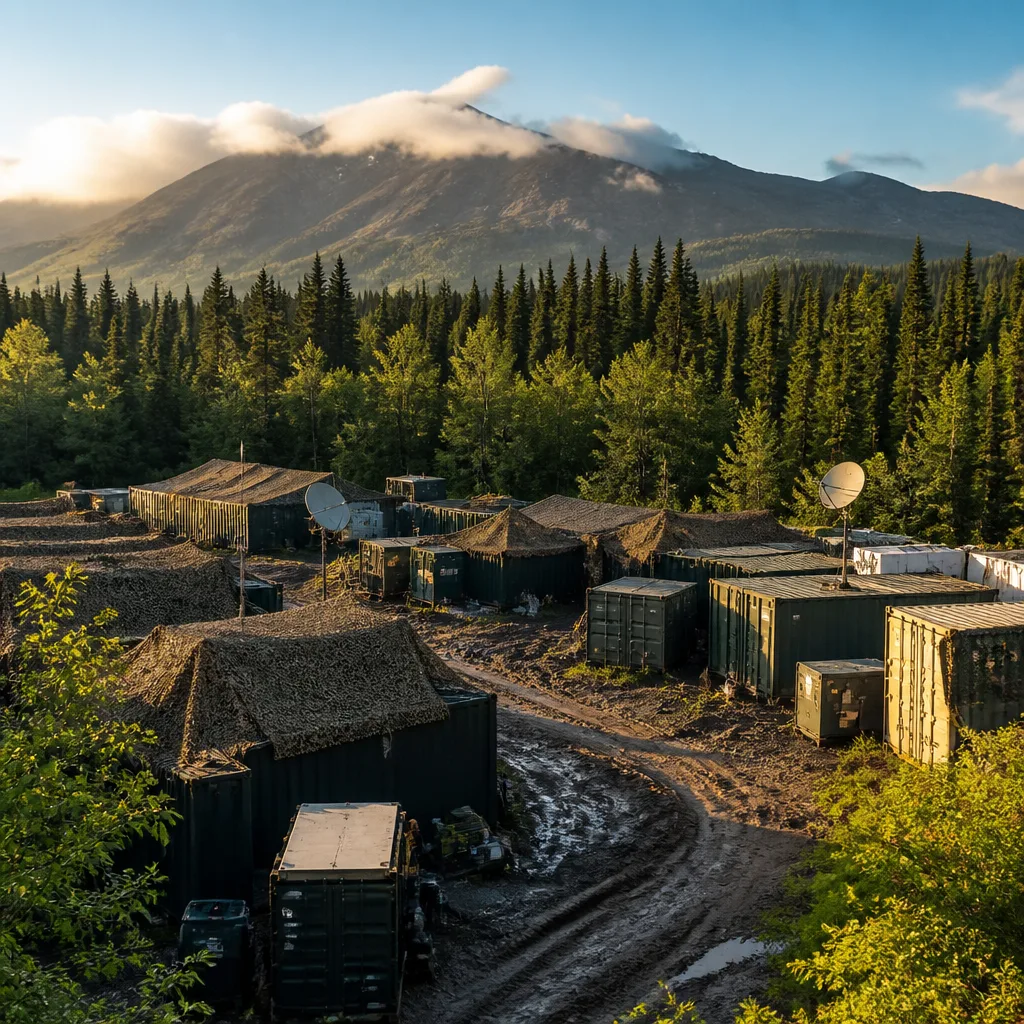
- Criminal groups are replacing fixed concrete compounds with air-conditioned shipping containers and temporary tents.
- Mobile sites can be rapidly removed or relocated to evade detection and interdiction.
- Some locations are sited near territories of ethnic armed groups that are in a ceasefire with the military junta, complicating enforcement.
The use of shipping containers and tented structures enables syndicates to maintain the infrastructure required for telecom fraud operations — including computers, cooling and internet access — while reducing the risk of being tracked or seized. According to local sources, the shift into the jungle began in earnest around 2025 as pressure mounted on the visible border compounds.
Security and regional implications
The relocation into remote areas presents several challenges for law enforcement and regional security. Mobile operations are harder to identify and disrupt, particularly in dense jungle terrain. Proximity to armed groups and ceasefire zones further complicates any intervention: some compounds have been reported near Warmeehta Village, which sits close to the headquarters of the DKBA, an ethnic armed group maintaining a ceasefire with Myanmar’s ruling military junta.
Where once the syndicates’ neon-lit compounds presented obvious targets for both national and cross-border enforcement, the new dispersed model reduces the opportunity for sustained, coordinated crackdowns. The ability to vanish quickly into mountain terrain also raises the cost and complexity of any response by domestic authorities or foreign partners seeking to curtail the organised crimes.
| Location | Reported number of compounds |
|---|---|
| Foothills of Mount Mulayit | 3 |
| Near Warmeehta Village | 3 |
Mount Mulayit’s traditional role as a pilgrimage and eco-tourism destination is under strain as organised criminal activity encroaches on areas once valued for their tranquillity and natural beauty. The shift illustrates how transnational organised crime adapts to enforcement measures and the tactical environment, seeking refuge in less accessible locations.
Efforts by Thai authorities to disrupt the visible border operations—such as cutting power and internet—appear to have prompted this decentralisation. That response, while effective at limiting operations in urbanised border zones, has been followed by a dispersal into rural and mountainous areas that are harder to police.
The emergence of mobile scam hubs around Mount Mulayit is a reminder of the agility of organised crime networks and the difficulties faced by states trying to stem cross-border fraud operations. As these syndicates continue to experiment with temporary infrastructure and remote locations, any response will likely require enhanced intelligence cooperation, specialised logistics for operations in difficult terrain, and coordination with local actors in areas affected by armed conflict.