The Dutch state failed to protect the family of crown witness Nabil B., a District Court in The Hague ruled, finding that the Public Prosecution Service did not act quickly or thoroughly enough after the witness agreement became public in March 2018. The court said the shortcomings meant an attack on a family member “could perhaps have been prevented.”
Court finds security lapses after crown witness deal
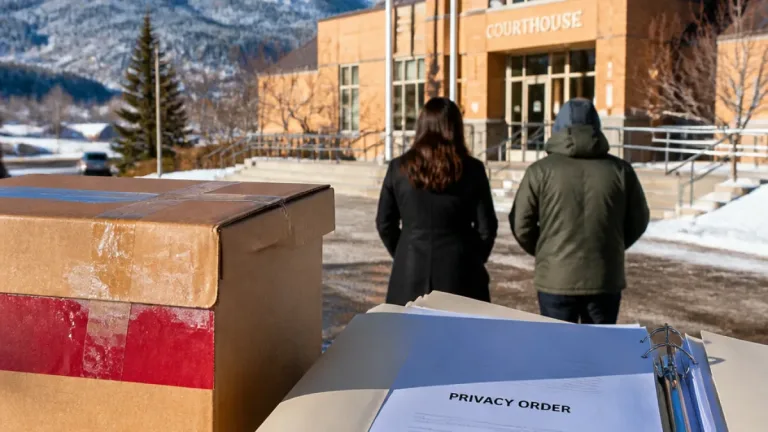
The judgment, pronounced on Jan. 14 but withheld for security reasons until recently, was obtained by RTL Nieuws. It stems from a civil lawsuit brought by relatives of Nabil B., who provided incriminating statements against organised crime figure Ridouan Taghi. The family argued the state’s handling of the crown witness arrangement endangered their lives and sought recognition of official errors and additional damages.
The court said it partly sided with the family. It concluded that, after the Public Prosecution Service announced the crown witness deal in March 2018, several relatives still lacked adequate protection despite signals that such measures were necessary. The court was critical of the timing and intensity of the state’s response.
“The Public Prosecution Service should have taken action earlier, more thoroughly, and more decisively to protect the claimants.”
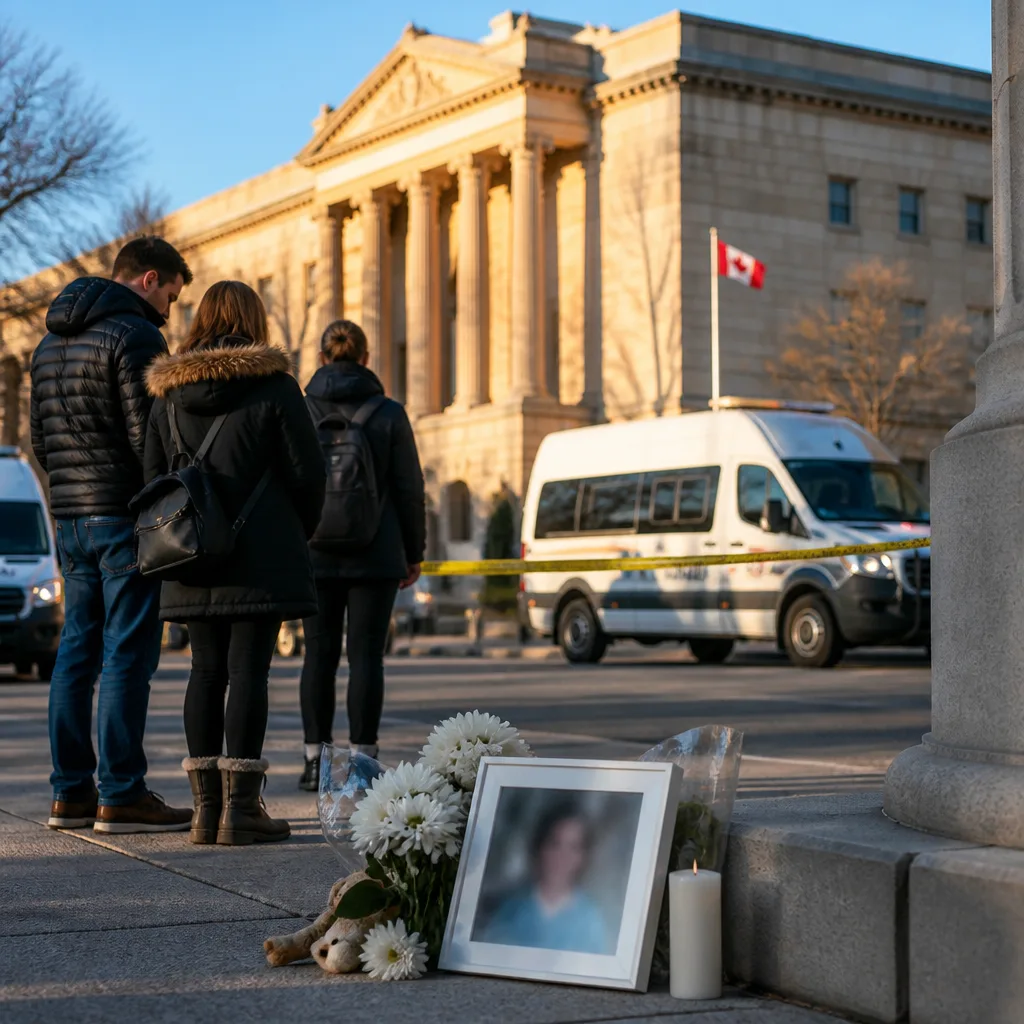
Six days after the deal became public, one of Nabil B.’s siblings, identified in the judgment as Reduan B., was shot dead in Amsterdam-Noord. Since that killing, relatives have abandoned their former lives and are living anonymously at an undisclosed location, the court record says. The court found that earlier and more comprehensive protection might have averted the attack.
Damages, recognition and the limits of the ruling
Despite finding fault with the Public Prosecution Service, the court declined to order additional compensation for the family. Judges noted that various damage claims had already been paid and that the state retained the right to use Nabil B. as a crown witness. The family has rejected that element of the decision and intends to appeal.
The court’s findings echo a 2023 report by the Dutch Safety Board, which examined three killings linked to the crown witness arrangement: the murders of Reduan B., lawyer Derk Wiersum and crime reporter Peter R. de Vries. The Dutch Safety Board had previously been critical of how authorities handled protection for those connected to the witness programme.
The relatives, in a statement responding to the decision, said the fallout has been profound. “Lives have been disrupted, careers have been lost and those involved have suffered serious and permanent psychological damage,” they said, according to court documents and media reporting.
- March 2018: Public announcement of the crown witness deal.
- Six days later: The family’s brother, Reduan B., was shot dead in Amsterdam-Noord.
- 2023: Dutch Safety Board published critical findings on state protection linked to the case.
- Jan. 14 (decision pronounced): District Court of The Hague ruled the Public Prosecution Service had fallen short; ruling released later for security reasons.
| Issue | Court finding |
|---|---|
| Timeliness of protection | Insufficient—action should have been earlier and more decisive |
| Compensation | No additional damages ordered; some payments already made |
| Use of witness | State retains right to continue using Nabil B. as a crown witness |
Implications for witness protection and prosecutions
The judgment highlights the tension between prosecutorial strategy and the state’s duty to protect third parties affected by cooperation with authorities. Crown witness programmes are a vital tool in prosecuting organised crime, but they inevitably place relatives and associates at risk when a witness’s participation becomes public.
The court’s critique focuses on the Public Prosecution Service’s handling of warnings and signals that protection was required. By concluding that the service seriously fell short, the ruling puts pressure on Dutch authorities to review how witness-related security assessments are conducted and implemented.
The family’s appeal is expected to test whether the civil courts will demand stricter remedial measures or additional recognition of harm for those linked to state witness programmes. For now, the court has acknowledged shortcomings while stopping short of ordering fresh compensation, leaving unresolved questions over accountability and future protective practices.
As the legal process continues, the case will remain closely watched by legal practitioners and victim advocates concerned with balancing the needs of criminal investigations against the duty to safeguard innocent family members thrust into harm’s way.