Delta Beach residents and visitors are watching Lake Manitoba closely after recent heavy rainfall across western Manitoba and sustained flows through the Portage Diversion pushed water levels to what locals say is the highest safe operating point this summer.
Local concern grows as margin for error shrinks
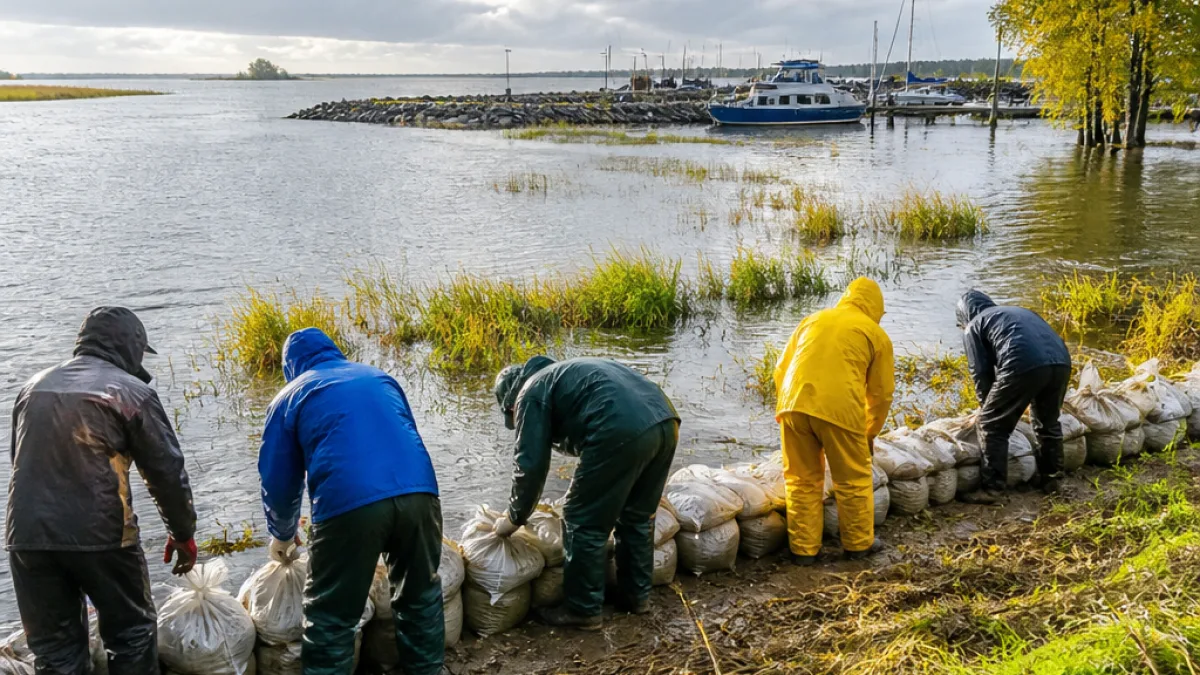
Locals report noticeable changes along the shoreline. The usual sandy frontage has been reduced, marsh vegetation is spreading into areas that were previously dry, and some boaters and anglers are finding less accessible landing space at the marina. Photographs from the area show elevated water around the Sheila and Rick Henderson Marina, underscoring residents’ unease.
Delta Beach Association president Scott Greenlay said there is little remaining margin for error and warned that another major weather event could quickly tip conditions from manageable to damaging.
"Right now we're at the maximum level that's considered safe. If we receive much more rain, or if we get a significant north wind while these levels remain this high, it could tip the balance. That's when shoreline damage becomes a real concern, much like what happened during the 2011 flooding."
The Province of Manitoba continues to operate the Portage Diversion, a long-standing flood-control structure that redirects flows from the Assiniboine River into Lake Manitoba to reduce downstream risk. Officials expect diversion flows to continue at least through the end of July.
Why 2011 remains a reference point
Residents and local officials reference the 2011 Lake Manitoba flood as the benchmark for the kind of harm that can occur when high lake levels, prolonged diversion operations and strong northwest winds combine. That event produced powerful wave action that damaged shoreline properties and infrastructure around the lake.
While current conditions are not being described as a repeat of 2011, Greenlay’s comments highlight how a combination of heavy inflows and wind can quickly alter shoreline stability and cause erosion or inundation.
What people on the ground are seeing
Beachgoers still use the shoreline in parts of Delta Beach, but many say the experience has changed. Vegetation has colonized areas where people once sandcastled and walked, and some recreational access points are less inviting because of higher water. Anglers and small-boat users have been observed on the marina bridge and along the water’s edge, but those activities exist alongside rising concern about what a major wind event could do.
- Reduced sandy beach: High water is encroaching on traditional recreational areas.
- Marsh expansion: Vegetation is taking hold where sand used to dominate.
- Ongoing diversion flows: Portage Diversion operations to protect Assiniboine River areas are continuing.
Residents say the emotional tone is mixed: people want to enjoy summer at the lake, but many are preparing for the possibility that stronger winds or more rain could force rapid changes.
Practical implications for residents and visitors
Local property owners and seasonal visitors should be aware that shoreline access and safety can change quickly, especially during windy conditions. Boat operators should check local marina notices and exercise caution when launching or mooring vessels near higher-than-normal water. Neighbourhood groups and associations are monitoring conditions and discussing readiness and response options.
| Factor | Current status |
|---|---|
| Lake level | Described by locals as at the maximum considered safe |
| Portage Diversion | Operating; flows expected to continue through at least end of July |
| Shoreline condition | Sandy beach reduced; marsh vegetation spreading |
Provincial officials operate the diversion to balance the risk between communities along the Assiniboine River and those on Lake Manitoba. That balancing act means lakefront communities can experience elevated levels when diversion flows are needed downstream.
For now, authorities have not issued evacuation notices or urgent orders specific to Delta Beach, but the community's leaders and residents say they remain on alert. The situation will depend on weather in the coming days — especially cumulative rainfall and the direction and strength of wind across the lake.
Local groups are also discussing improved readiness, including potential rescue preparedness measures that would help respond quickly if conditions worsen. Meanwhile, visitors are asked to use caution, respect posted limits and stay informed through official provincial and local channels.
The coming week’s weather and diversion decisions will determine whether high water remains a nuisance or becomes a more serious hazard for Delta Beach and other Lake Manitoba shoreline communities.