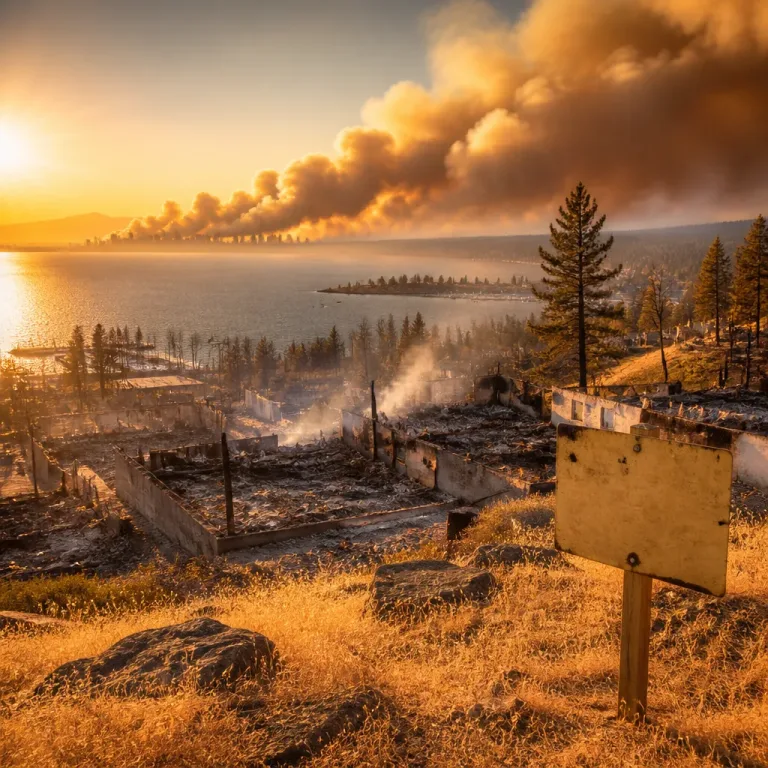
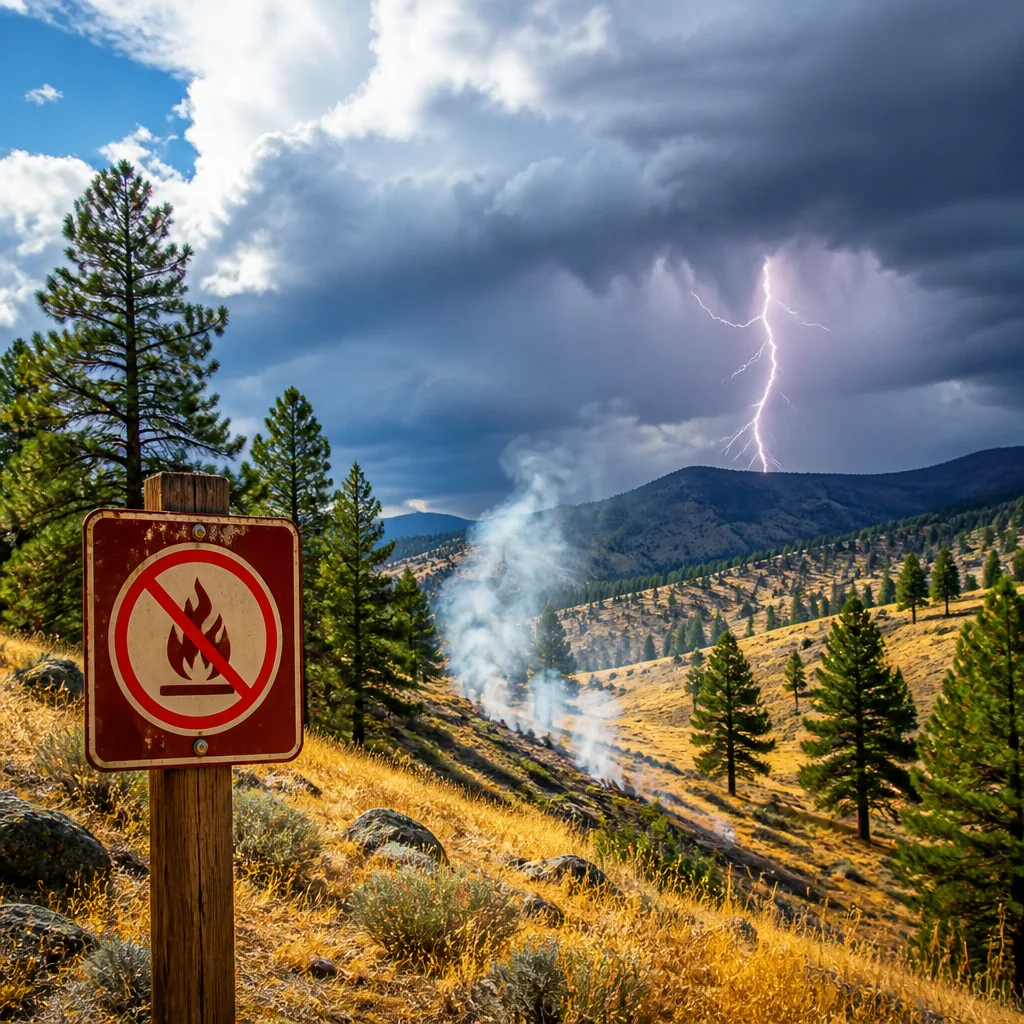
The BC Wildfire Service is warning that changing weather this B.C. Day long weekend could create a challenging and potentially dangerous period for wildfire management across British Columbia. A cold front moving into the province is forecast to bring thunderstorms and strong, gusty winds, with some Southern Interior regions expected to receive little or no rainfall, increasing the risk of new lightning-caused ignitions.
Weather set-up and fire behaviour concerns
According to the BC Wildfire Service, areas of the Cariboo, Kamloops and Southeast fire centre regions will feel the strongest wind impacts as the front moves through. Those winds could increase fire intensity, support rapid rates of spread and produce conditions that are difficult for crews to manage. Several existing wildfires in the Southern Interior are already showing what the agency describes as aggressive fire behaviour.
The forecast also raises specific concern about lightning-caused wildfire starts. The BC Wildfire Service notes that where thunderstorms deliver limited precipitation, lightning strikes can still ignite dry fuels. With vegetation made more susceptible by prolonged hot, dry weather and ongoing drought conditions, new ignitions could establish quickly, particularly when winds are strong.
Why smaller fires and steep terrain are especially risky
Smaller fires can sometimes be mistaken for manageable incidents, but under the anticipated weather they may transition rapidly to higher-intensity behaviour. The agency highlighted the danger when wind direction aligns with steep slopes, a combination that can markedly accelerate fire growth. That dynamic makes rapid detection and initial attack crucial during the period of increased lightning activity.
- Thunderstorms forecast with the cold front could bring lightning but little rain in parts of the Southern Interior.
- Strong, gusty winds are expected across the Cariboo, Kamloops and Southeast fire centre regions.
- Existing fires are already showing aggressive behaviour; new lightning starts could spread quickly.
To prepare for a possible uptick in wildfire activity, the BC Wildfire Service says it is strategically positioning ground crews and aerial resources in areas where lightning is anticipated, allowing for faster response to new starts. The move comes as firefighting resources remain committed to existing incidents across the province.
Public risk and prevention advice for the long weekend
The B.C. Day long weekend typically brings more people into backcountry and recreational areas, increasing the likelihood of human-caused fires. With resources already taxed by active wildfires, the agency emphasised the importance of preventing new incidents.
The BC Wildfire Service urged the public to follow local fire prohibitions and restrictions and to avoid activities that could generate sparks or open flames. Where campfires are permitted, people were reminded to ensure they are completely extinguished before leaving the site.
| Region | Primary concern |
|---|---|
| Cariboo | Strong winds increasing spread and intensity |
| Kamloops | Wind-driven rapid fire growth; lightning starts |
| Southeast fire centre | Limited precipitation with thunderstorms; new ignitions |
The BC Wildfire Service's preparations and public guidance reflect an acknowledgement that both natural and human-caused ignitions are likely to be a serious concern during the coming days. Residents and visitors are being asked to exercise caution, adhere to restrictions and report any new fire starts promptly so crews can respond as quickly as possible.
As the situation evolves, forecasts and operational priorities may change; the BC Wildfire Service will continue to monitor the weather system and adjust resource deployment to match emerging needs.