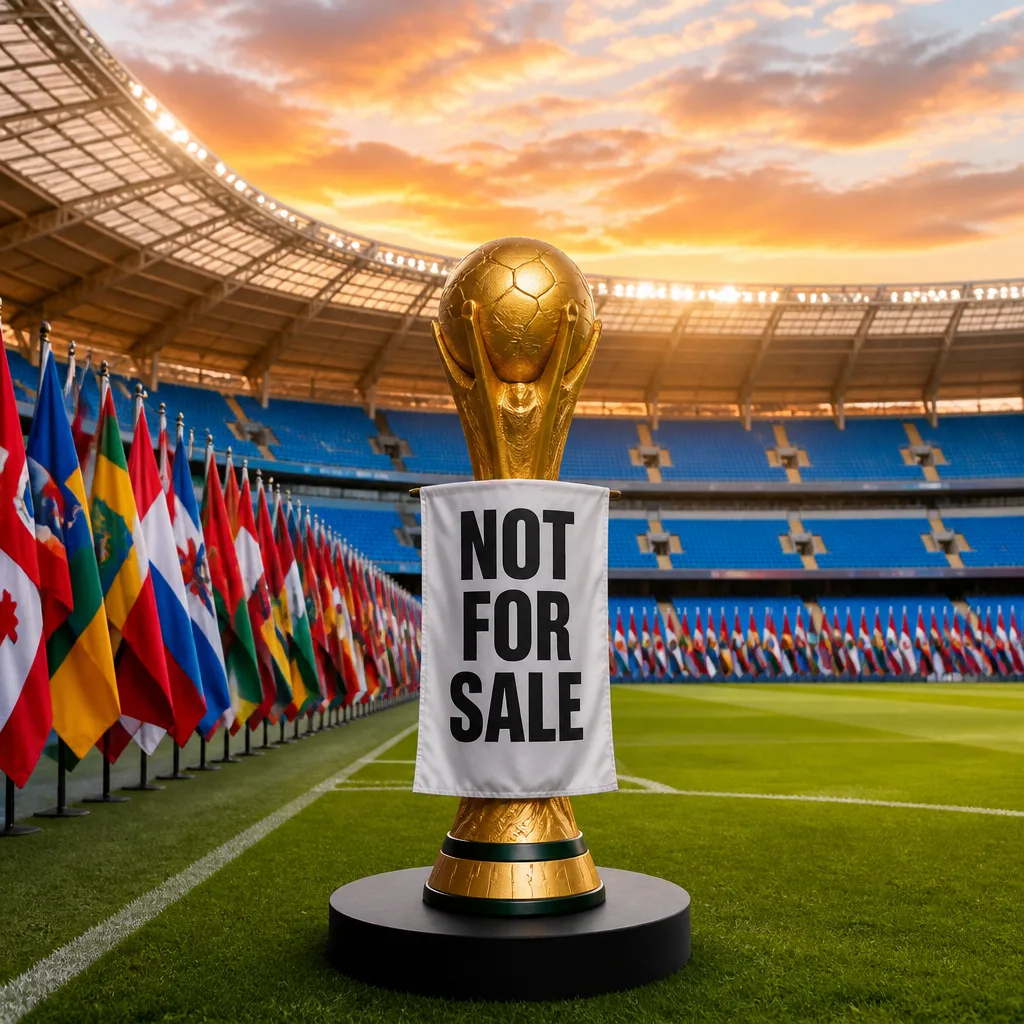
UEFA and its 55 national associations have agreed to withdraw from all FIFA competitions in a direct challenge to President Gianni Infantino's controversial plan to sell stakes in the World Cup to private equity investors. The decision was taken at an urgent online meeting and signals a major rupture in world football governance ahead of a string of youth and women's tournaments this year.
What UEFA decided
In a blunt statement following the emergency session, UEFA said:
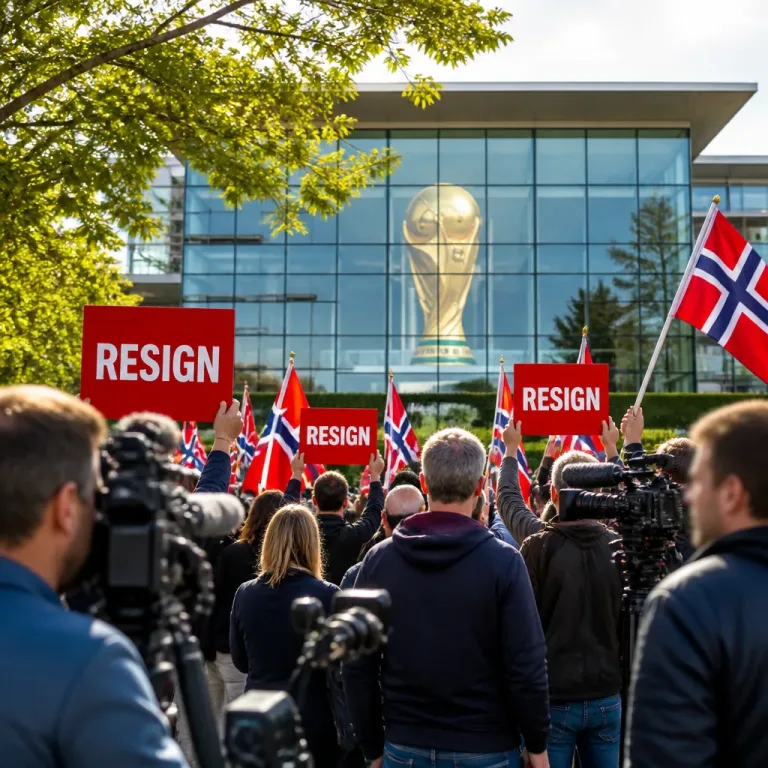
"UEFA and its national associations will not participate in FIFA competitions."The European body framed the move as defending the public and sporting nature of the flagship tournament, adding: "Some things are simply too important to sell. The FIFA World Cup belongs to football. It always will. And so long as Europe has a voice, it will never be for sale."
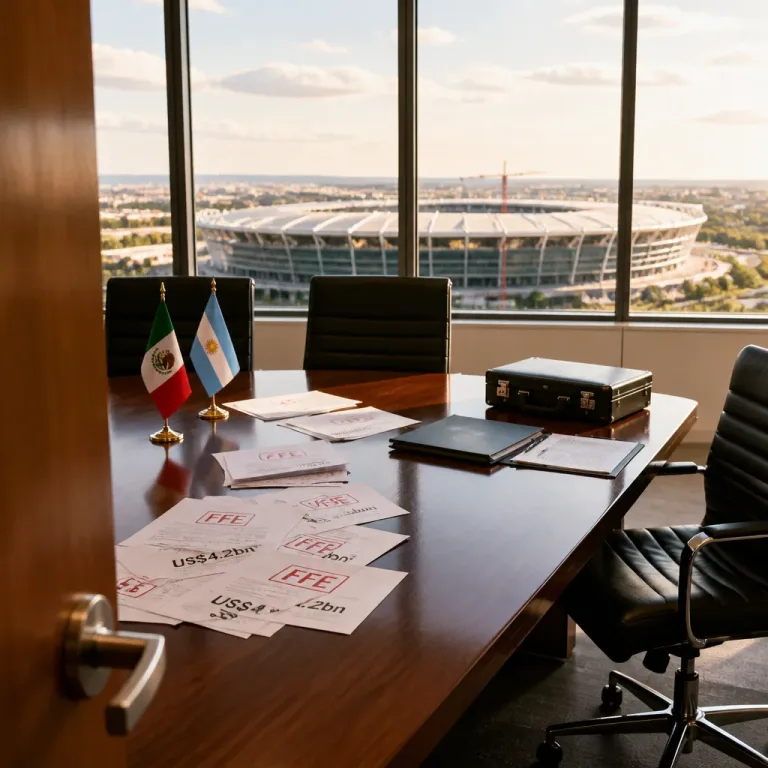
The boycott comes after reports that Infantino intends to spin off FIFA's commercial operations into a new subsidiary — FIFA Forward Enterprise (FFE) — and offer stakes to private investors. Media accounts said the proposal would value FFE at about $20 billion US, with private investors holding a portion of the venture.
Immediate implications
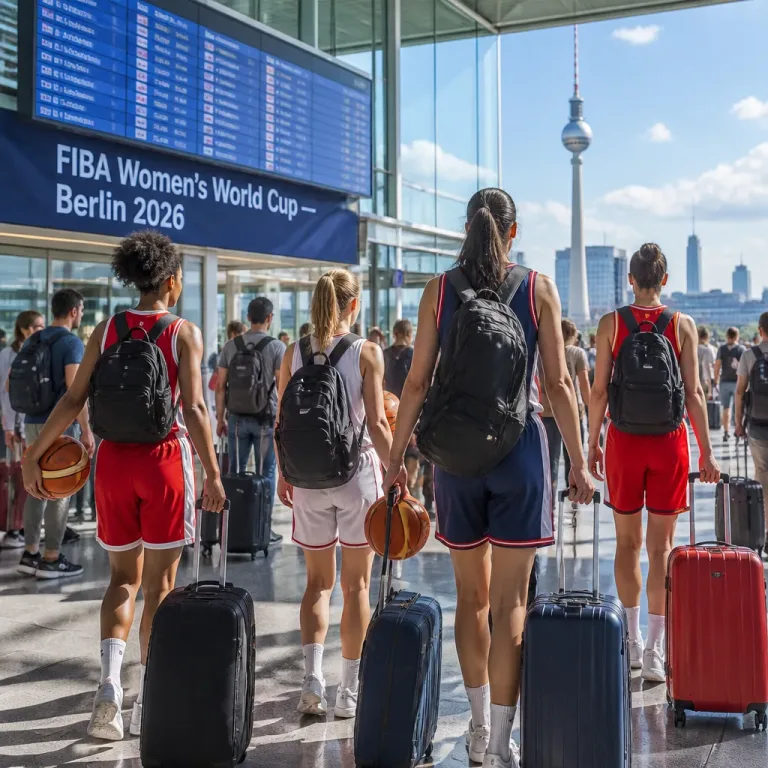
The next FIFA event on the calendar is the Women's Under-20 World Cup, scheduled to begin in Poland on Sept. 5. UEFA's move places immediate pressure on the feasibility of that tournament and other competitions that rely on European teams and markets.
The row escalated after reports that FIFA offered a direct payment of $20 million US to each of its 211 member associations to endorse the plan — an offer that reportedly must be accepted by mid-September. The proposal and the timing appear to have accelerated talks among UEFA members, prompting the emergency meeting.
| Entity | Number |
|---|---|
| UEFA member associations | 55 |
| FIFA member associations | 211 |
| Reported valuation of FFE | $20 billion US |
Why Europe’s stance matters
UEFA represents some of the world's most commercially valuable leagues, clubs and national teams. Investors seeking to monetise major tournaments would likely expect broad participation from Europe — not only for competitive integrity but for broadcast, sponsorship and matchday revenue. Without European teams, the attractiveness of buying into the World Cup's commercial engine would be substantially diminished.
The European body's unanimous rejection of the privatisation plan and its pledge to abstain from FIFA competitions signal that UEFA believes the proposed transaction crosses a fundamental line about ownership and control of the sport's premier event.
Stakeholders and next steps
Key questions now centre on whether other continental confederations will follow UEFA's approach, how FIFA will respond, and the timeline for any investor agreements. UEFA's action gives national associations in Europe a collective veto in practice: investors are unlikely to commit significant funds if the sport's dominant markets and teams refuse to participate.
- Upcoming tournaments, beginning with the Women's Under-20 World Cup, may face uncertainty if the boycott is enforced.
- The reported $20-million offer to each of FIFA's 211 members and the mid-September acceptance deadline create immediate pressure for a resolution.
- Longer-term, the dispute raises governance questions about commercialisation, control of football's assets and the role of private capital in global sport.
The clash exposes a widening fault line between FIFA's search for commercial partnerships and UEFA's insistence on keeping the World Cup and other competitions under collective football control. How the dispute is resolved will shape the business of the game and the calendar of competitions for years to come.