Organisers race to stabilise site after months of heavy rain
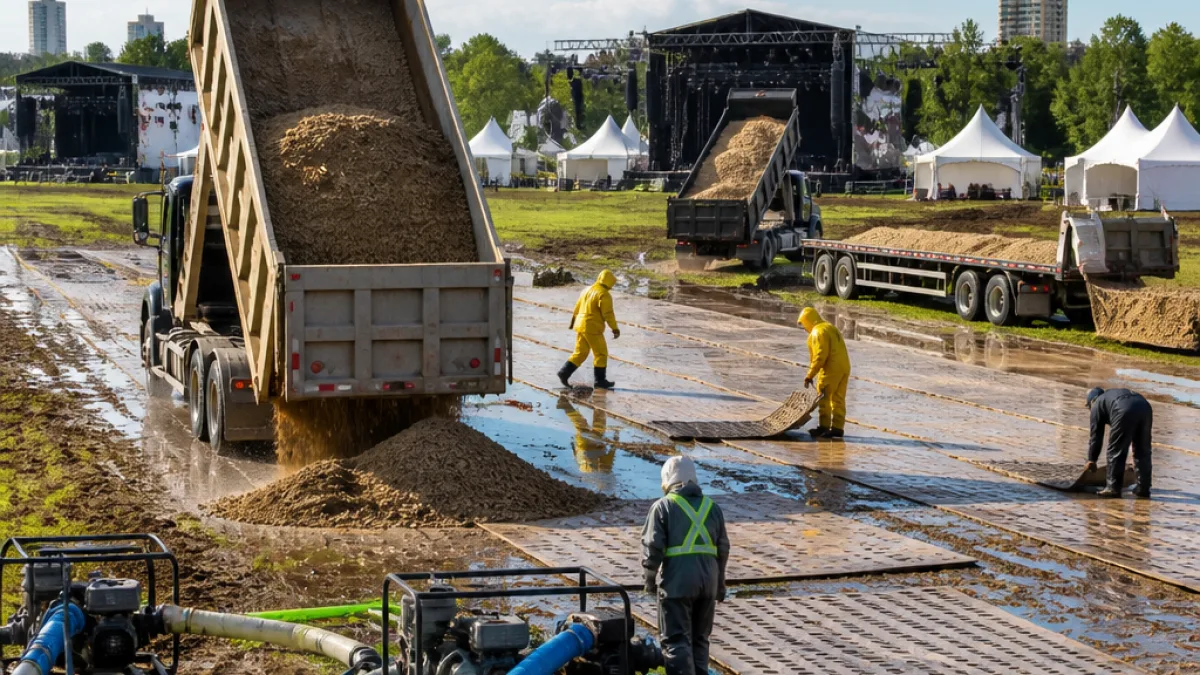
Edmonton’s signature outdoor music event is scrambling to keep its grounds usable after what organisers say has been one of the wettest starts to summer on record. With more than two feet of rain soaking the festival site since June, crews are trucking in sand and improving drainage systems to reduce mud and manage pedestrian access for the four‑day event.
Terry Wickham, who has co‑ordinated the Folk Festival site for nearly 40 years, said the scale of the work is unusual but necessary. About 200 tonnes of sand are being delivered to create walkways and stable areas for festivalgoers, he said.
"The festival site has taken over two feet of rain since June, so it's very damp there right now," Wickham said. "We have about 200 tonnes of sand that we're bringing in just so people can walk … and aren't slipping and sliding on muck all over the place."
Weather context: record totals and local disruption
Environment Canada figures cited by organisers show Edmonton has been saturated by 580 millimetres of rain so far this summer, surpassing the previous June–August record of 417 millimetres set in 1953. That intensity of precipitation has had ripple effects across the city.
| Metric | Value |
|---|---|
| Rainfall this summer (to date) | 580 mm |
| Previous June–August record (1953) | 417 mm |
Heavy storms have flooded roadways and campsites, forced temporary closures of attractions and led to shortened hours or cancellations at multiple events. Officials and organisers reported:
- Heritage Festival shortened its operating hours during a recent storm;
- Several large concerts and festivals were cancelled or delayed, including noted acts and city events;
- Some public attractions, such as the local science centre, closed temporarily because of flooding.
How organisers are responding
Festival planners say they are not taking chances. Besides hauling sand, crews are pumping out standing water, reinforcing footpaths and reviewing evacuation plans should weather worsen. Wickham said the festival’s years of success have allowed organisers to allocate funds specifically for extreme conditions.
Other festival leaders in Edmonton are taking similar precautions. Megan Dart, executive director of the Edmonton Fringe Festival — North America’s largest fringe — said staff have been closely monitoring conditions and revising contingency plans in response to the unusually wet season.
Organisers emphasised that public safety is the priority. Measures being taken at the Folk Festival site include:
- bringing in sand to create walkable lanes and reduce mud;
- pumping and redirecting standing water from low areas;
- reinforcing staging and high‑traffic areas with construction materials;
- reviewing and communicating evacuation and shelter plans to staff and volunteers.
Implications for attendees and the events sector
The wet summer highlights the vulnerability of outdoor venues to increasingly volatile weather. For attendees, organisers recommend checking festival updates before travelling, wearing appropriate footwear and preparing for delays or altered site layouts. For the local events sector, the season has been a costly reminder of the need to budget for extreme weather contingencies.
Despite the logistical challenges, Wickham said confidence remains that the Folk Festival will go ahead. He told reporters the crew has experience dealing with difficult site conditions and that investment in materials and planning is intended to keep the event safe and accessible.
Edmonton residents and visitors should expect continued adjustments across the city’s summer calendar as organisers work to adapt to conditions made worse by the record rainfall.