A Netflix documentary released July 29 examines the background of Bryan Kohberger, the 31-year-old who pleaded guilty to the November 2022 killings of four students at an Idaho college and has since filed paperwork seeking to withdraw that plea. Kohberger is currently serving four consecutive life sentences for the fatal stabbings.
Documentary revisits behaviour, digital footprint
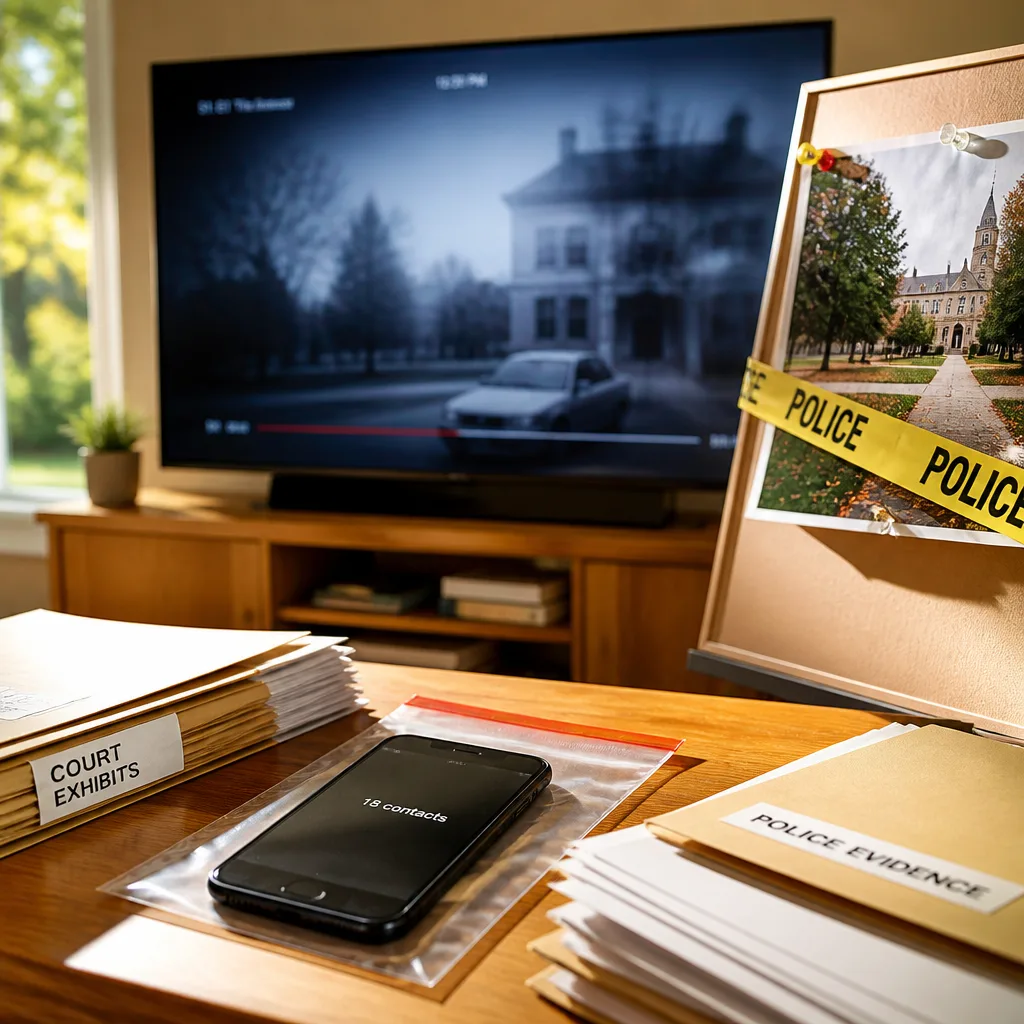
The three-part series, Idaho Murders: College Nightmare, presents interviews and forensic details intended to build a fuller picture of Kohberger's life before the killings. Filmmakers and experts cited in the documentary point to a sparse digital social network on his phone when it was seized by investigators: a Cellebrite digital-forensics expert told the filmmakers the device contained only 18 contacts, a detail the expert described as highly unusual.
"It is so abnormal," said Heather Barnhart, a senior digital forensic expert at Cellebrite, as shown in the documentary, referring to the limited number of contacts on Kohberger's phone.
The documentary traces a longer history of social isolation and personal struggles documented in public forums years earlier. It features postings from Kohberger as a teenager, including a 2011 comment in which he described feeling disconnected from others. The excerpt reproduced in the film, originally reported by The New York Times, read, in part, that he felt like "an organic sack of meat with no self worth," and that when he hugged family members he perceived them like characters in a video game.
Drug use and earlier incidents discussed
Idaho Murders: College Nightmare also covers accounts of substance abuse and episodes provided by people who knew Kohberger. The film notes prior struggles with heroin addiction, including statements from former acquaintances who described periods when he appeared to be using despite claims of sobriety. One former friend told The Idaho Statesman that Kohberger had visible track marks even while professing to be clean. The documentary further refers to a theft of a family member's phone that was sold to fund drugs, an incident reported by relatives to local authorities, according to the material cited in the film.
Legal posture: guilty plea and withdrawal motion
Kohberger pleaded guilty to the killings of Kaylee Goncalves, Madison Mogen, Xana Kernodle and Ethan Chapin, which occurred in November 2022. The documentary arrives amid new legal manoeuvres: Kohberger has filed to withdraw his guilty plea. The streaming series does not change the formal status of court filings, but it illuminates some elements defence and prosecution teams will consider in future proceedings and public perception.
| Item | Detail |
|---|---|
| Victims | Kaylee Goncalves; Madison Mogen; Xana Kernodle; Ethan Chapin |
| Admission | Guilty plea to November 2022 murders |
| Current status | Serving four consecutive life sentences; has filed to withdraw plea |
Questions for investigators and the courts
- The documentary highlights Kohberger's small digital network and earlier expressions of alienation, elements that may be scrutinized in any effort to challenge or explain the plea.
- Accounts of prior drug addiction and incidents involving family members are presented, but the film does not substitute for court evidence; those matters remain subject to legal process and documentation.
- The formal motion to withdraw a guilty plea will be decided through the judicial system; the documentary provides context but is not a legal filing.
As public interest endures in the case, the new documentary adds narrative detail and witness accounts that may shape public understanding. The criminal justice system, however, will adjudicate the legal questions now before it, including the contested plea and any further filings from defence or prosecution.